About This Course
This module explores how multiple sensory channels and sensor technologies can be combined to create advanced and immersive user experiences. Students will learn the scientific foundations and practical methods for integrating visual, auditory, haptic, and other forms of feedback with real-time sensor data, including from wearable devices and environmental detectors. The course covers key topics including sensor fusion, multisensory perception, and user experience design. Through hands-on projects and research-based approaches, students will develop skills to design, implement, and evaluate interactive systems that synchronise multisensor inputs and multimodal feedback. Applications include virtual and augmented reality, adaptive user interfaces, and robotics, preparing students to innovate in the field of interactive technologies.
Learning Objectives
- Understand the scientific and technical foundations of multimodal interaction and sensor integration, including how humans perceive and process combined sensory and sensor-based information.
- Develop practical skills in designing, implementing, and evaluating interactive systems that combine multiple sensory modalities and integrate data from diverse sensors to enhance user experience in virtual and real-world environments.
- Analyse and apply principles of sensor fusion and multisensory perception to create adaptive, accessible, and immersive user interfaces for applications such as virtual reality, augmented reality, and robotics.
Study Programs
This course is mandatory for the following study programs:
- M.Sc. Advanced Digital Reality
This course is offered in odd quarters and can, therefore1, be selected as an elective in the following study programs:
- M.Sc. Cybersecurity
- M.Sc. Applied AI
- M.Sc. Digital Leadership
- MBA Digital Technologies
- MBA Digital Transformation
1: Generally all mandatory modules of a study program can be selected as an elective in all study programs in which they are not offered as a mandatory module. However, there are several rules that apply. First, at least half of the selected electives have to be taken from your study program. Second, all electives are only available in either odd or even quarters. Therefore, not all electives are available in all programs (given that you want to finish the program within the regular time frame and do not want to take that elective in parallel to your impact project.)
Micro Degree
- This course is offered as a micro degree.
- German UDS Micro Degrees are compatible with the European MOOC Consortiums Common Micro Credentials Framework.
- Micro Degrees will be rewarded with an equivalent of 5 ECTS.
- Micro Degrees are offered to non-regular students and require a fee of €900.
Requirements
Basic programming skills. Knowledge and skills as provided in the Prep courses.
General Information
- Teaching Format: Mastery:Coding
- Total Workload Master: 125h (40h/85h) / 5 ECTS
- Total Workload MBA: 100h (40h/60h) / 4 ECTS
- Total Workload Micro Degree: 125h (40h/85h) / Equivalent to 5 ECTS
- Module coordinator: Dr. Daniele Di Mitri
- Examinations: Quizzes, presentation(s), essay(s)/paper(s), project report(s), written exam (tbd) - Details will be announced with course start.
- Offered: Odd quarters
Course Staff
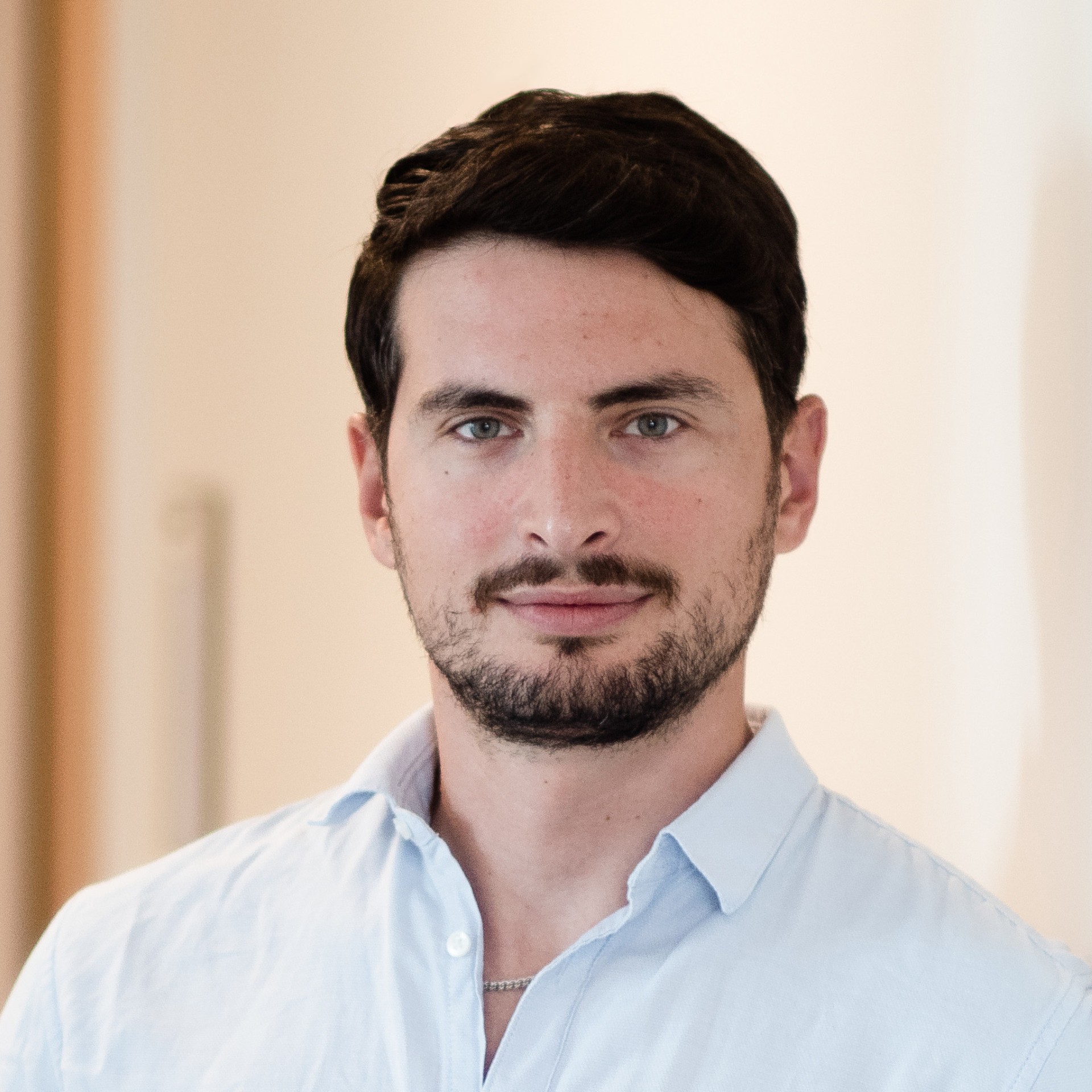
Dr. Daniele Di Mitri
Daniele Di Mitri is a professor of Multimodal Learning Technologies and leader of the "Augmented Feedback" research lab at the German University of Digital Science. He is an affiliate researcher at the DIPF - Leibniz Institute for Research and Information in Education and a lecturer at the Goethe University of Frankfurt, Germany. Daniele Di Mitri received his PhD in Learning Analytics and wearable sensor support from the Open University of The Netherlands. His current research focuses on developing AI-driven, multimodal learning technologies to enhance digital education. It aims to create innovative and responsible solutions that improve learning experiences through advanced feedback systems and ethical technology integration. He is a "Johanna Quandt Young Academy" fellow and was elected "AI Newcomer 2021" at the KI Camp by the German Informatics Society. He is a member of the editorial board of Frontiers in Artificial Intelligence journal, a member of the CrossMMLA, a special interest group of the Society of Learning Analytics Research, and chair of the special interest group of AI for Education of the European Association of Technology-Enhanced Learning.
Frequently Asked Questions
What web browser should I use?
Our German-UDS.academy platform works best with current versions of Chrome, Edge, Firefox, or Safari.
See our list of supported browsers for the most up-to-date information.